Rotating Electrode Systems for Hydrodynamic Studies

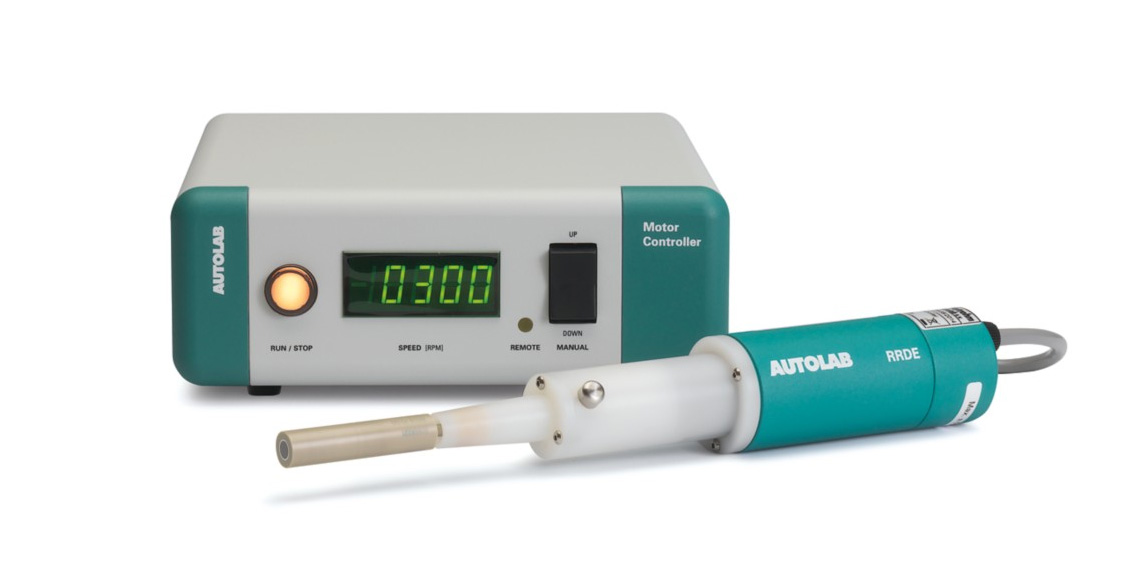
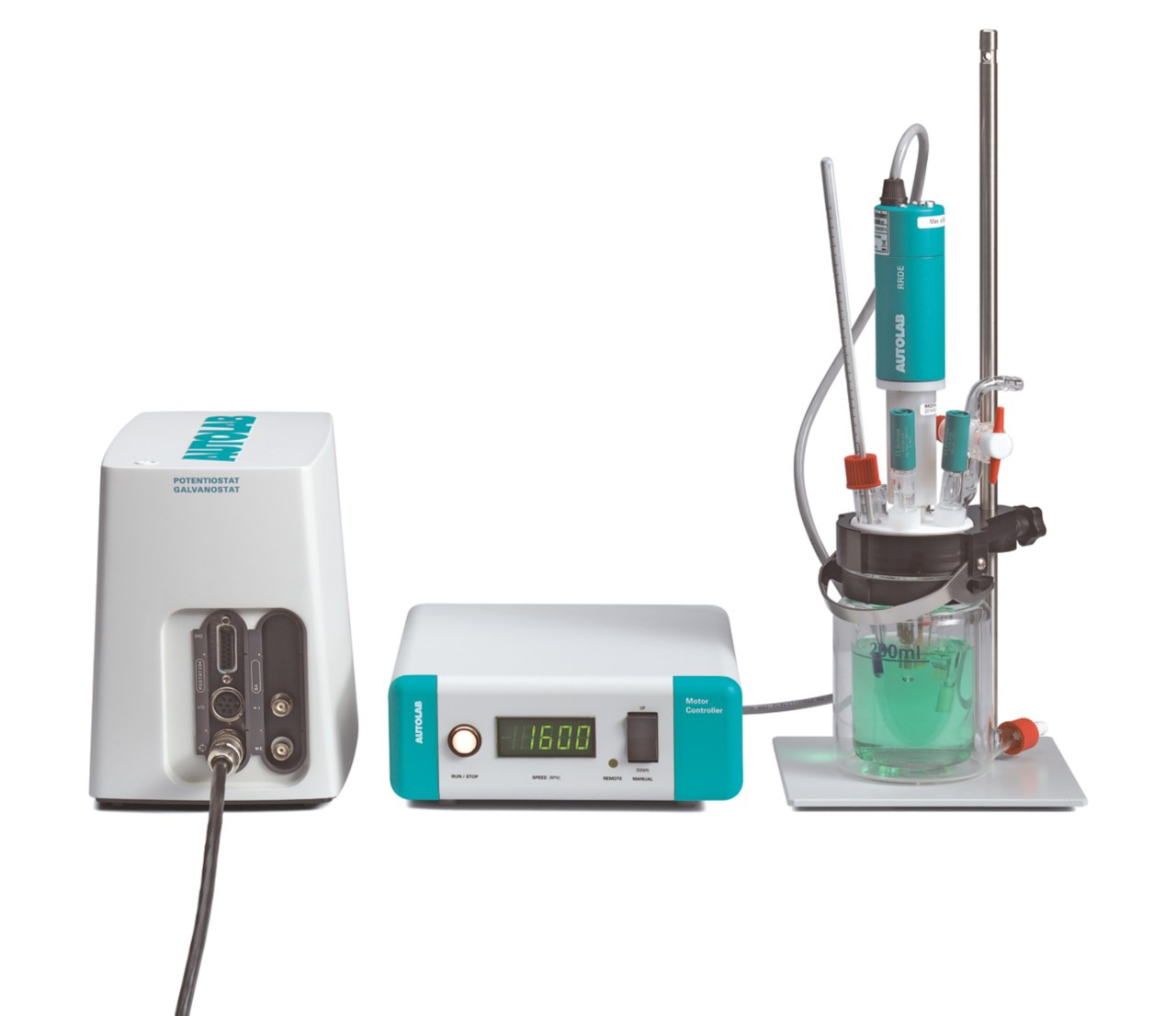
Metrohm Autolab Rotating Disk Electrode (RDE), Rotating Ring-Disk Electrode (RRDE), and Rotating Cylinder Electrode (RCE) setup have extremely low signal noise due to friction-less liquid contacts with the most accurate and precise rotation control and automated measurement of Levich and Koutecky-Levich plots. The rotator is designed to fit perfectly on the standard conical fitting of the RRDE cell lid.
Image

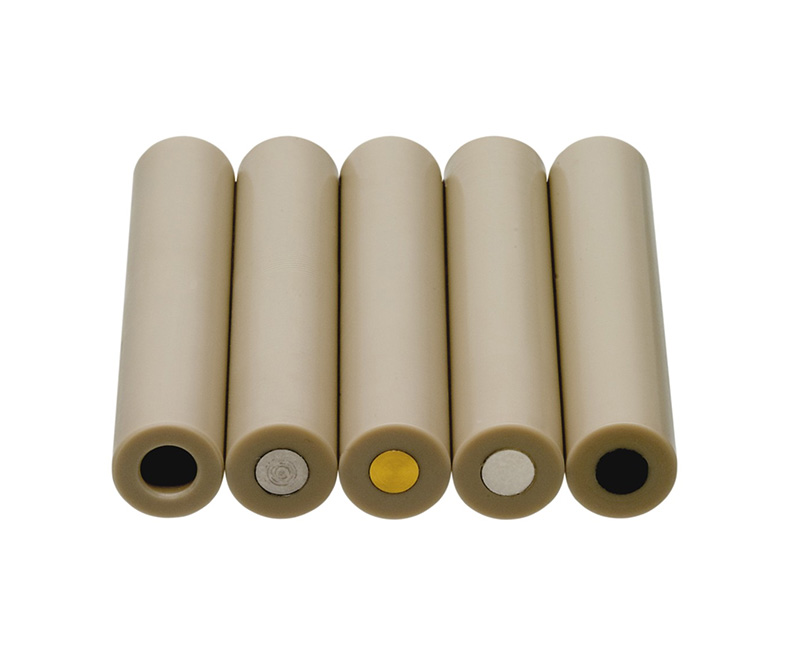
Different types of electrodes and rotators

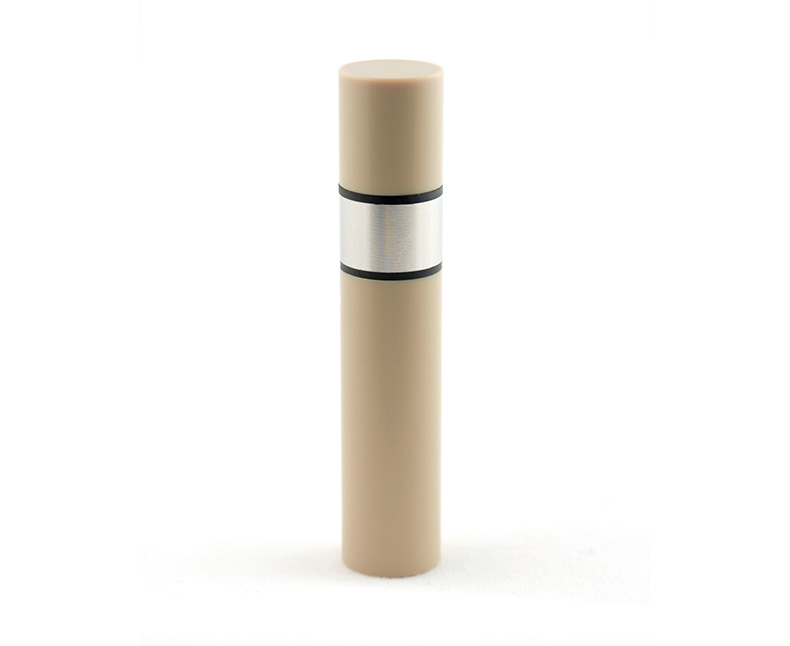
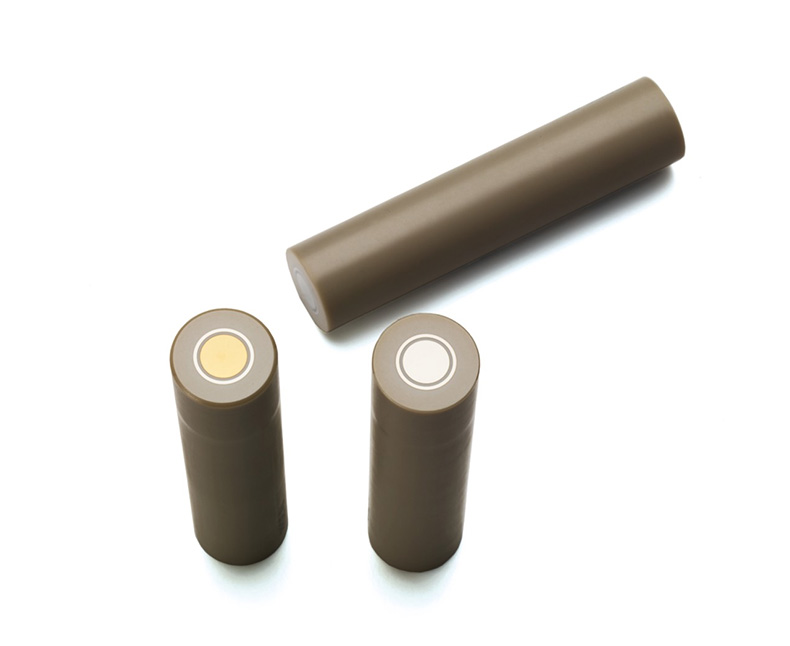
Metrohm Autolab offers corresponding rotating electrode systems for RDE, RRDE, and RCE. We also provide different types of electrode tips to accommodate your research needs. These rotating electrode configurations enable precise control of mass transport to the electrode surface by inducing a well-defined laminar flow, which is essential for investigating reaction kinetics, diffusion processes, and electrocatalytic mechanisms. The RDE is ideal for studying single-electrode reactions under steady-state conditions, the RRDE allows simultaneous detection of reaction intermediates at the ring and disk, and the RCE is particularly suited for corrosion and mass-transfer-limited systems.
Image

RRDE

Image

RDE

Image

RCE

Scope of delivery

Image
  • Motor controller unit
  • Rotator
  • Cable to connect the Metrohm Autolab potentiostats
  • Electrode tip
  • (optional part) RRDE cell

Rotator types and Specifications


Rotator TypeRotation speedActive electrode sizesMaterialsNo. of contractsCompatible electrode tipsDescriptionCompatible instruments
RDE 10,000 Disc: 3mm, 5mm Disc: Pt, Au, Ag, Cu and others, blank (5mm) 1 RDE & RCE
  • Electrode tips with 3 mm, 5mm active material disk in a PEEK shaft for the best chemical compatibility
  • Available with different disk materials such as: Platinum (Pt), Gold (Au), Glassy Carbon (GC), Silver (Ag) and other metals. A blank shaft is also available which can be filled with your own material.
  • Directly compatible with the Autolab RDE and RRDE rotators (only for Pt, GC and Au) for hydrodynamic measurements (as rotating disk electrodes)
  • Conveniently used in static conditions with a pin connector (M4) and a Metrohm electrode shaft with integrated 4 mm banana connector
  • Wide rotation speed range: 100 – 10000 rpm with 1 rpm resolution
All Metrohm Autolab Potentiostats
RRDE 10,000

RRDE
Disc: 5mm
Ring: 375 µm

RDE
Disc: 3mm, 5mm

Disc: Pt, Au, GC
Ring: Pt
2 RRDE and RDE
  • Dual, ring-disk electrode with 5 mm active material disk (0.375 mm thick) and a concentric Platinum ring, separated by a 0.375 mm electrically insulated, leak-free gap
  • theoretical collection efficiency of 24.9%
  • PEEK shaft material for the best chemical compatibility
  • Directly compatible with the Autolab RRDE rotators for hydrodynamic ring-disk measurements
  • Wide rotation speed range: 100 – 10000 rpm with 1 rmp resolution
All Metrohm Autolab Potentiostats equipped with a BA module (for RRDE)
RCE 5,000 Cylinder: 8 mm height, 12 mm OD Carbon Steel (1018), Stainless Steel (304) 1 RDE and RCE
  • Cylindrical electrode (8 mm high, 12 mm OD), easily mounted without tools into a PEEK holder and sealed with two Viton washers to prevent electrolyte leakage
  • Enables simulation of a wide range of realistic pipe flow conditions directly in the lab
  • Technical drawings are provided, allowing you to produce and use your own cylindrical inserts for inhibitor efficiency testing and comprehensive flow regime studies
  • Directly compatible with the Autolab RDE rotator for hydrodynamic experiments
  • Conveniently used in static conditions with a pin connector (M4) and an electrode shaft with integrated 4 mm banana connector
All Metrohm Autolab Potentiostats


Other relevant accessories


 Hydrodynamic measurements

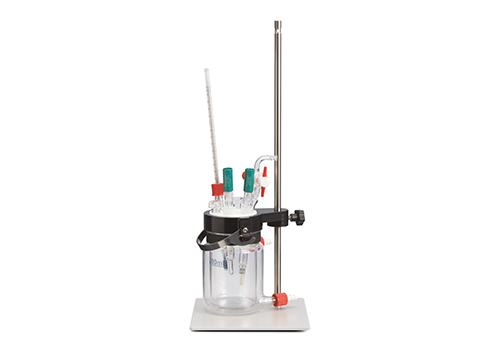
RRDE cell

Metrohm Autolab RRDE cell for electrocatalysis

  • Complete electrochemical cell designed for forced convection (hydrodynamic) experiments using the Metrohm Autolab R(R)DE rotators
  • All components in contact with the electrolyte are removable and resistant to aggressive cleaning procedures, making the cell suitable for typical electrocatalysis experiments or sensitive interfacial electrochemistry measurements
  • Fits in the large Autolab Faraday cag
  • Complete cell includes: a glass vessel (300 mL) fitted with a thermostatic jacket for temperature control, lid with 7 standard 14/15 conical holes, counter and reference electrode, thermometer, and gas inlet
>

+